
Gravel driveways
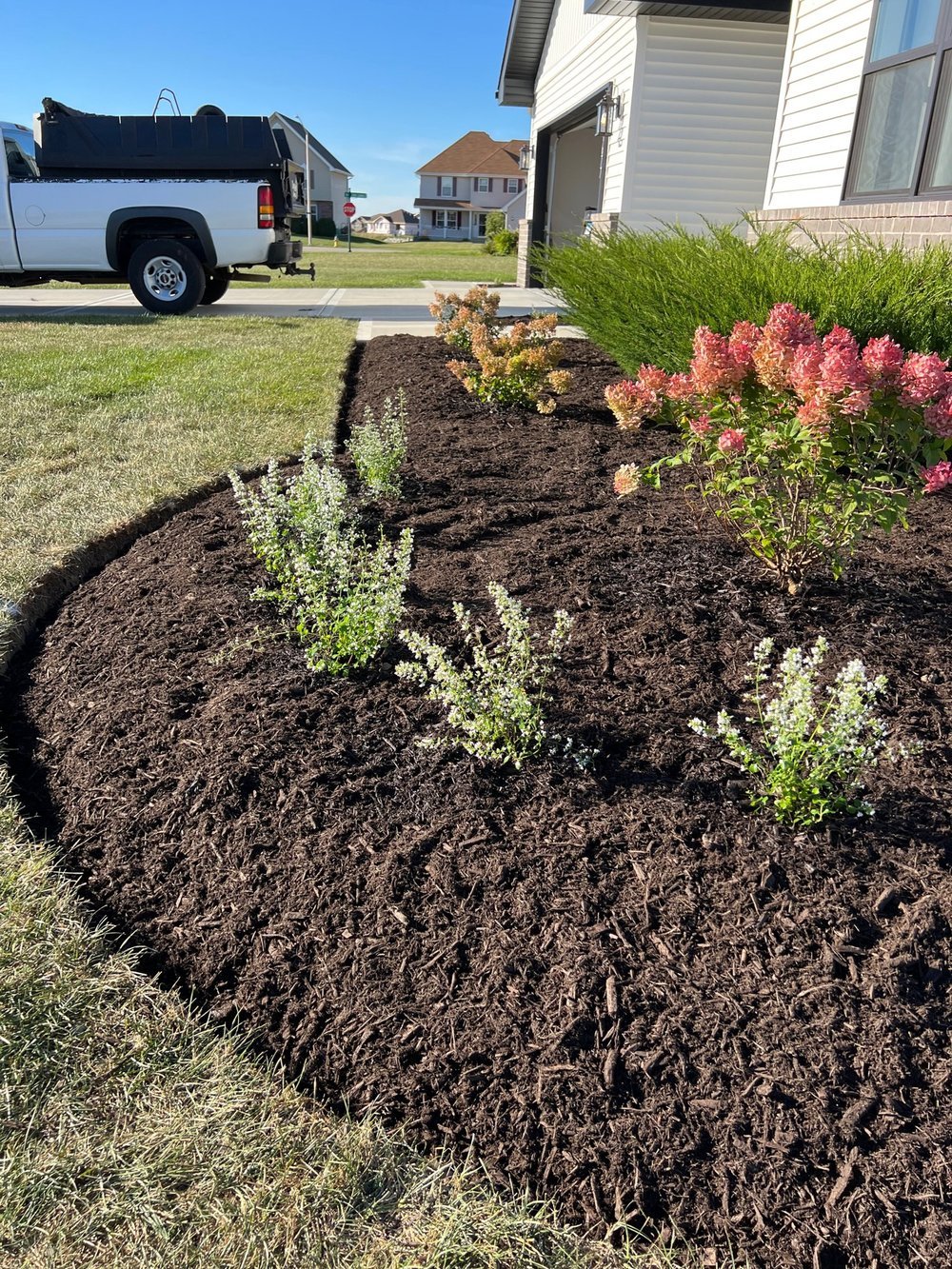
A 30 × 10 ft driveway at 4 inches deep is about 4.1 cubic yards — roughly 5.7 tons of gravel. Sold by the ton, ordered by the yard: the calculator speaks both.
Free calculators for mulch, gravel, topsoil, tile and concrete — in cubic yards, bags, tons and dollars. No second trip to the store.
Every calculator runs right here in your browser — type your measurements and the answer updates as you go. Add a little extra (the waste %) so you don't run short.
The master tool — works for any loose material: mulch, soil, gravel, sand.
Tip: 3 inches is the standard depth for a fresh mulch bed; 4 inches for a new gravel driveway top-up.
Estimate only — confirm quantities with your supplier before ordering.
Bags vs. bulk, with the real cost of each — the answer most people get wrong at the store.
Rule of thumb from the worked example: that bed needs 25 bags — most people buy 10–15 and make three trips.
Estimate only — bag and bulk prices vary by store and season. Confirm with your supplier.
Driveways, paths and raised beds are sold by the ton — this converts your measurements.
Densities are typical values — your supplier's material can run heavier or lighter, especially when wet.
Estimate only — confirm quantities and delivery minimums with your supplier.
The winter-proof one — kitchens, bathrooms and floors, any month of the year.
Estimate only — keep one spare box from the same batch for future repairs.
For slabs, pads and footings — and the honest answer to "bags or a truck?"
Bag yields used: a 60-lb bag ≈ 0.45 cu ft, an 80-lb bag ≈ 0.60 cu ft of mixed concrete. Past roughly 2 cubic yards, a ready-mix truck is usually cheaper and far less work than mixing bags.
Estimate only — confirm quantities with your supplier before ordering.
The classic mistake: a standard 20 × 10 ft flower bed at 3 inches deep needs 1.85 cubic yards of mulch — that's 25 bags of the standard 2-cu-ft size, not the 10 most people grab. Run your own bed through the Mulch calculator above before you drive to the store.
Pin this to the garage wall. Deeper material covers less ground; it's the same 27 cubic feet either way.
| Depth | Area covered by 1 cu yd | 2-cu-ft bags per cu yd |
|---|---|---|
| 1 inch | 324 sq ft | 13.5 bags |
| 2 inches | 162 sq ft | 13.5 bags |
| 3 inches | 108 sq ft | 13.5 bags |
| 4 inches | 81 sq ft | 13.5 bags |
| 6 inches | 54 sq ft | 13.5 bags |
| 12 inches | 27 sq ft | 13.5 bags |
From the formula above: cubic yards = length × width × (depth in inches ÷ 324) for area in square feet.
Three of the five calculators, in the wild.
A 30 × 10 ft driveway at 4 inches deep is about 4.1 cubic yards — roughly 5.7 tons of gravel. Sold by the ton, ordered by the yard: the calculator speaks both.
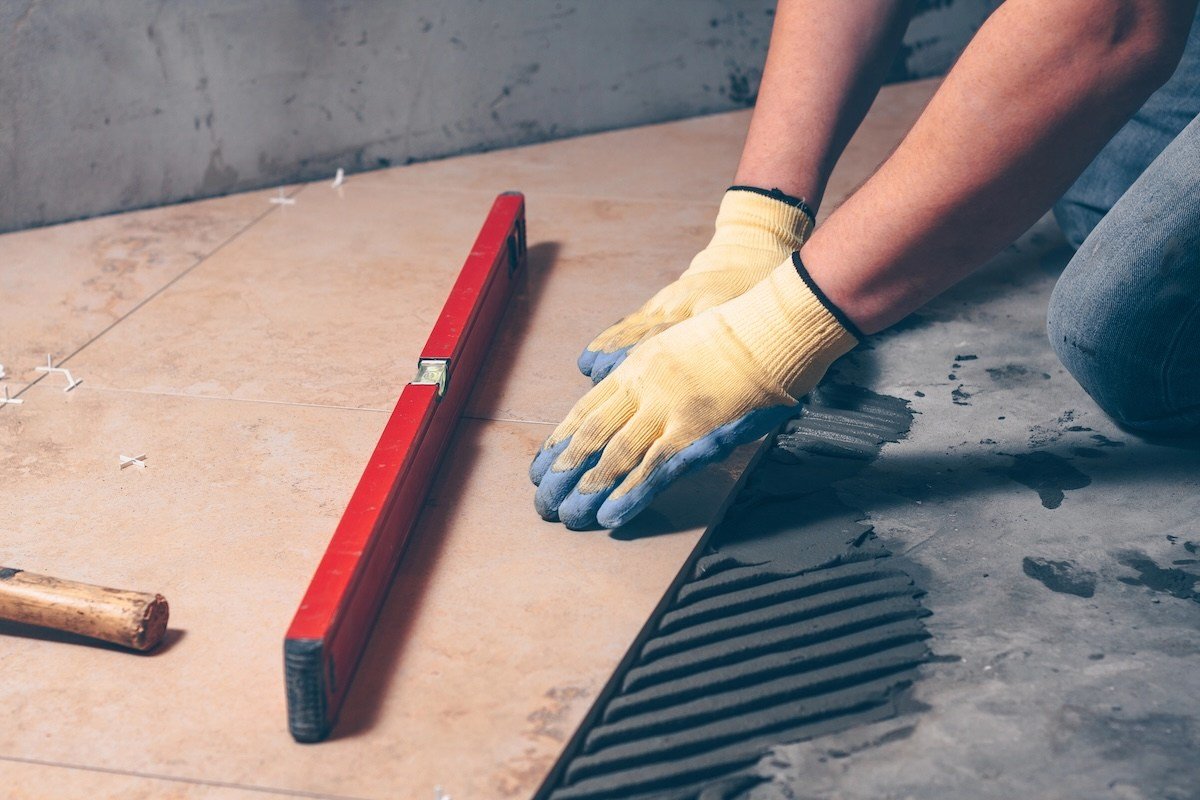
Grout gaps quietly eat area, and diagonal layouts eat tiles. The tile calculator counts both, so the last row doesn't stop the job.
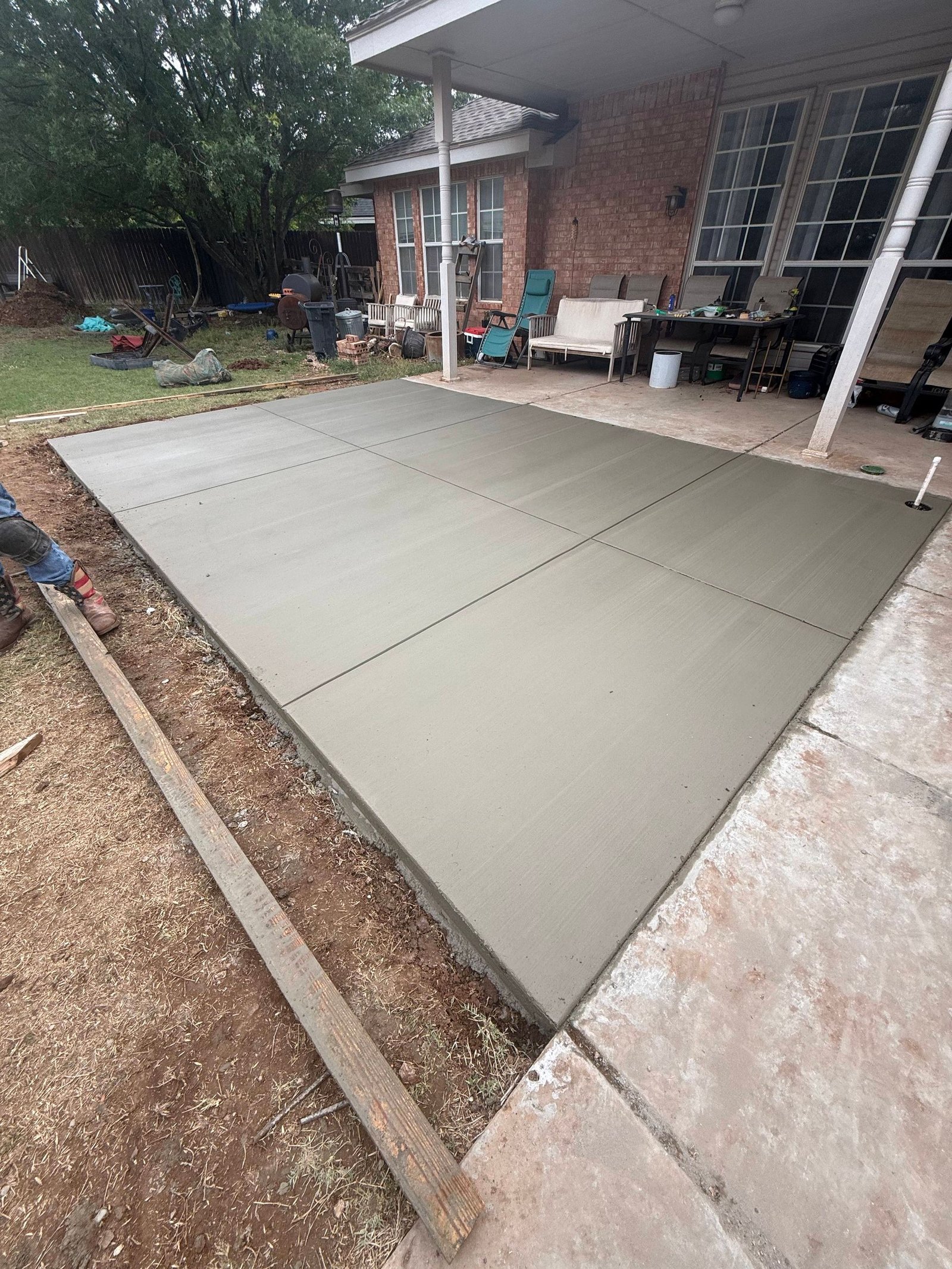
A 10 × 10 ft pad at 4 inches is 1.36 cubic yards with extra — 62 of the 80-lb bags. That's the point where most people should price a truck instead.
Straight answers, no store run required.
A cubic yard is 27 cubic feet. With the standard 2-cu-ft bag, that's 13.5 bags — so 14 bags to be safe. With 3-cu-ft bags it's 9, and with 1.5-cu-ft bags it's 18.
About 3 inches for most beds: deep enough to hold moisture and block weeds, shallow enough not to suffocate roots. Keep it a few inches away from tree trunks and house siding.
Bulk almost always wins past about 1 cubic yard (roughly 14 bags), and delivery beats loading bags into a car. Under half a yard, bags are simpler. The Mulch calculator compares both with your local prices.
10% is the standard cushion for loose materials — ground is never perfectly level, and material settles. For tile, use 10% on a straight layout and 15–20% on diagonal or patterned layouts.
Somewhere around 1–2 cubic yards. A 10 × 10 ft, 4-inch pad already needs 62 eighty-pound bags. Price a ready-mix truck before committing your weekend — and your back — to mixing.
Owner's section (not part of the public pitch): why this niche, what the research found on 15 Nov 2026, and what still has to happen before launch. Every figure below carries its source and its caveat.
| Keyword | US searches/mo | US share | Difficulty |
|---|---|---|---|
| Mulch calculator | 40,000 | 89% | 35/100 |
| Cubic yard calculator | 27,000 | 84% | 9/100 |
| Tile calculator | 11,000 | 42% | 5/100 |
| Paint calculator (later — brand-owned SERP) | 24,000 | 59% | 42/100 |
Source: kwstrends US keyword reports, read 2026-11-15. Caveat from the research: these are third-party estimates and tools disagree with each other — treat volumes as directional, not exact. Mulch demand is seasonal: it peaks around 100k in April, roughly 13× the December low — which is why the tile and concrete tools are in v1.
| US (independent round-up) | $5.00–$12.00 CPM |
| UK | $4.50–$10.00 CPM |
| India (Tier-2) | $0.40–$1.50 CPM |
| Tier-3 (incl. Pakistan) | $0.20–$0.50 CPM |
Sources: Monetag's own blog (Tier-1 push $2–$7, interstitials $4–$12), via monetag.com; per-country table via AffMaven — both read 2026-11-15. That ~10× gap is the whole reason this site is in US units, in English.
Model from the research: $3–$7 revenue per 1,000 Tier-1 visitors on a tool site like this. This is a rough model built from Monetag's published format ranges — not a Monetag promise, and nobody should expect meaningful money in month 1.
Same traffic from Pakistan/India-type geos at the research's model would be roughly $45–$150/month even at 5,000/day. Social traffic can spike early; SEO for tools typically takes 3–6 months (Stratabeat study of 300 B2B sites, via TheStacc).